Cups to Grams Converter: Easy Conversion Guide for Common Ingredients
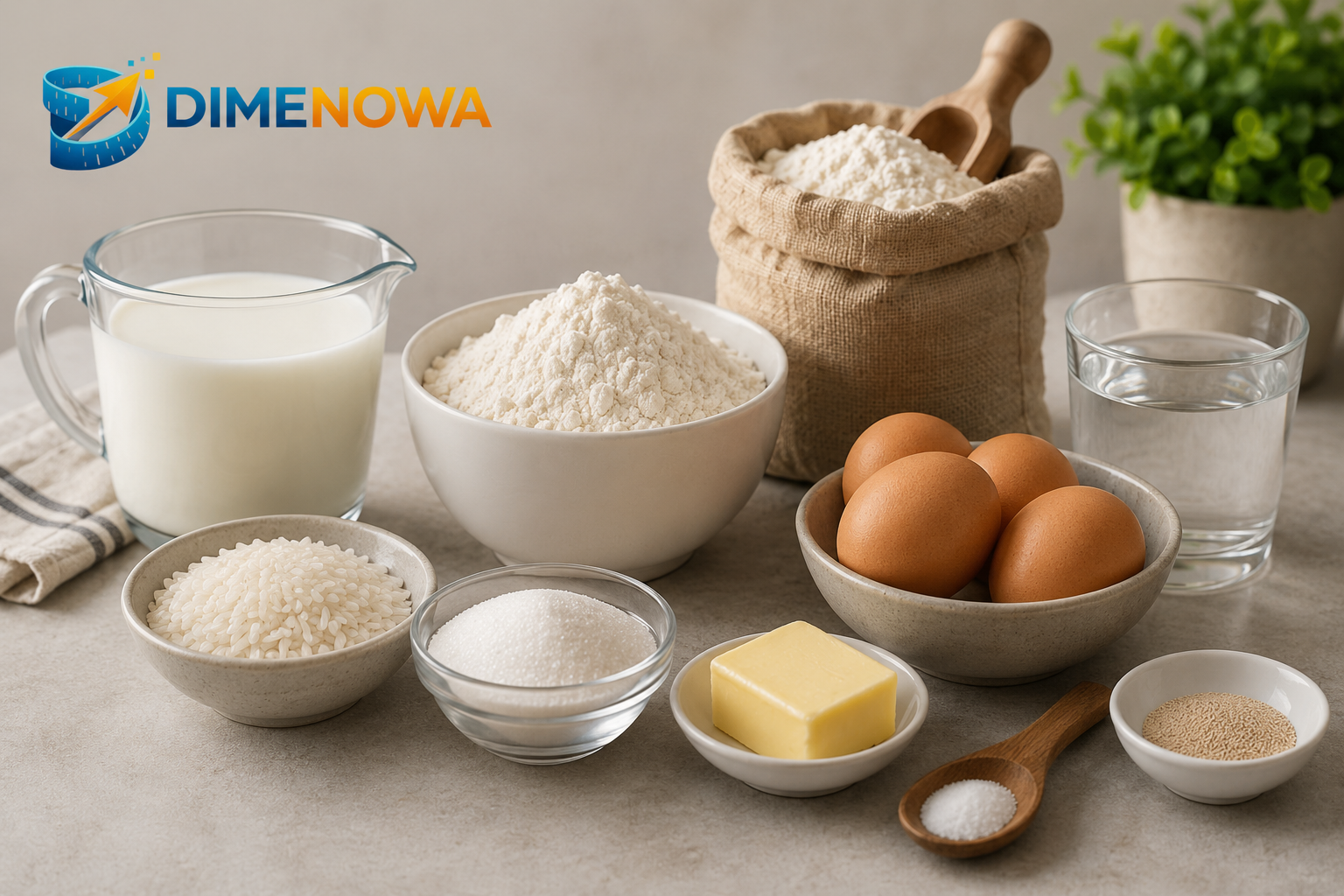
Converting cups to gram is one of the most common tasks in cooking and baking. However, there isn’t a single conversion that works for every ingredient because each food has a different density. For example, 1 cup of flour weighs less than 1 cup of sugar.
This guide explains how to convert cups to grams, provides easy conversion charts, and helps you measure ingredients more accurately for better cooking and baking results.
What Is Cups to Gram Conversion?
Cups to gram conversion is the process of converting a volume measurement (cups) into a weight measurement (grams).
- Cup (cup) = Unit of volume
- Gram (g) = Unit of weight (mass)
Because ingredients have different densities, the weight of one cup varies depending on what you’re measuring.
Why Can’t Cups Be Converted Directly to Grams?
Unlike water, many ingredients have different textures and densities.
For example:
| Ingredient | 1 Cup Equals |
|---|---|
| All-purpose Flour | 120 g |
| Granulated Sugar | 200 g |
| Butter | 227 g |
| White Rice (Uncooked) | 185 g |
| Water | 236 g |
This is why recipes often provide ingredient-specific conversions instead of one universal value.
Cups to Grams Conversion Chart
Below are some common kitchen conversions.
| Cups | Flour | Sugar | Butter | Water |
|---|---|---|---|---|
| ¼ Cup | 30 g | 50 g | 57 g | 59 g |
| ½ Cup | 60 g | 100 g | 113 g | 118 g |
| 1 Cup | 120 g | 200 g | 227 g | 236 g |
| 2 Cups | 240 g | 400 g | 454 g | 473 g |
Note: These values are approximate and may vary slightly depending on the ingredient and measuring method.
Basic Cups to Gram Formula
There is no single formula for every ingredient, but the general calculation is:
Grams = Cups × Weight of 1 Cup (for that ingredient)
Example
If 1 cup of flour = 120 g
Then:
- 2 cups flour = 240 g
- ½ cup flour = 60 g
- ¼ cup flour = 30 g
Using the correct conversion chart helps ensure accurate recipe results.
For another useful measurement conversion, check out Teaspoon to Tablespoon guide for an easy way to convert common kitchen measurements
Interactive Cups to Grams Converter for Ingredients
Cups to Grams Converter 🧁
Ingredient select karein aur exact weight grams (ya ounces) mein dekhein.
Why Accurate Measurements Matter
Using the correct cups to gram conversion can:
- Improve baking accuracy.
- Keep recipe results consistent.
- Reduce ingredient waste.
- Make it easier to follow international recipes.
- Ensure proper texture and flavor.
For the most reliable results, use a digital kitchen scale whenever possible.
Cups to Gram Conversion for Common Ingredients
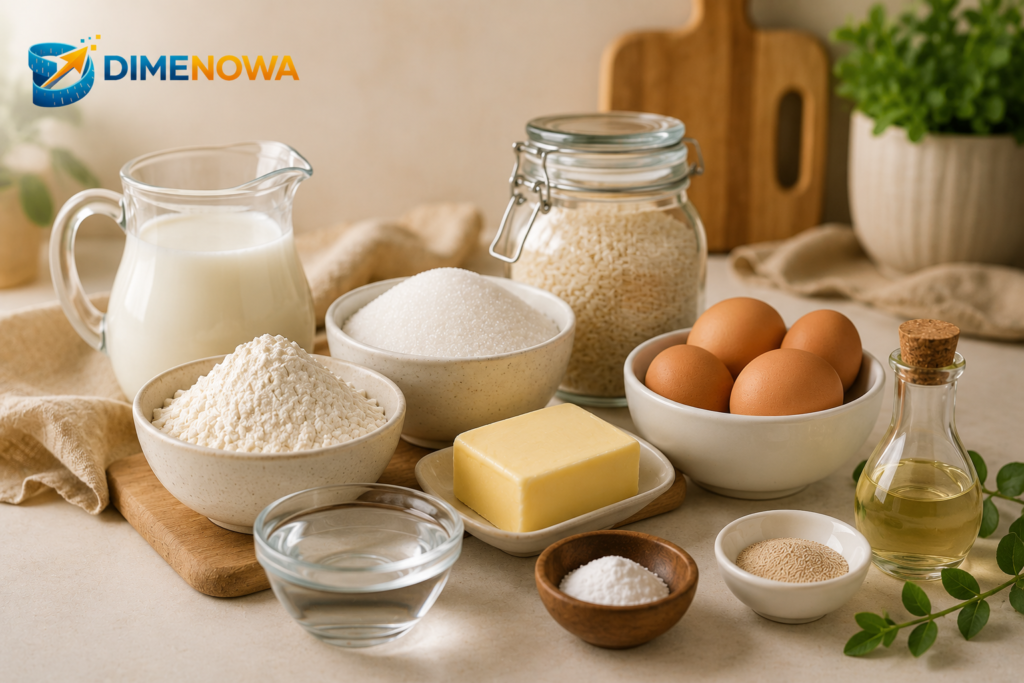
Since each ingredient has a different density, use the correct conversion values below.
| Ingredient | 1 Cup |
|---|---|
| All-purpose Flour | 120 g |
| Granulated Sugar | 200 g |
| Brown Sugar | 220 g |
| Butter | 227 g |
| White Rice | 185 g |
| Water | 236 g |
| Milk | 245 g |
| Honey | 340 g |
Always refer to the correct ingredient when converting cups to grams.
US Cup vs Metric Cup
Not all cups have the same capacity.
| Cup Type | Volume |
|---|---|
| US Cup | 236.6 ml |
| Metric Cup | 250 ml |
Many recipes from the United States use US cups, while recipes from Australia and some other countries often use metric cups.
When measurements are given in millimeters, our Millimeter to Centimeter Conversion guide can help you quickly convert them into centimeters.
Tips for Accurate Measurement
Follow these simple tips for better results:
- Use standard measuring cups.
- Level dry ingredients with a straight edge.
- Weigh ingredients using a digital kitchen scale.
- Check whether the recipe uses US or metric cups.
- Avoid packing flour unless the recipe specifically says so.
Common Conversion Mistakes
Avoid these common errors:
- Assuming every ingredient has the same weight.
- Using drinking cups instead of measuring cups.
- Ignoring the difference between US and metric cups.
- Overfilling or compressing dry ingredients.
- Estimating measurements instead of weighing them.
Using the correct cups to gram conversion improves accuracy, especially in baking where precise measurements matter most.
Conclusion
A cups to gram conversion is one of the easiest ways to improve accuracy in cooking and baking. Since cups measure volume while grams measure weight, the correct conversion depends on the ingredient being used. Flour, sugar, butter, water, and rice all have different weights per cup.
Reference for ingredient weights and nutrition data USDA FoodData Central .
For the best results, always use an ingredient-specific conversion chart or a digital kitchen scale. Accurate measurements help you achieve consistent recipes, reduce waste, and make cooking much easier.
Frequently Asked Questions
1. Is 1 cup equal to 250 grams?
No. The weight depends on the ingredient. For example, 1 cup of flour is about 120 g, while 1 cup of water is about 236 g.
2. Why do cups convert differently to grams?
Cups measure volume, while grams measure weight. Different ingredients have different densities.
3. How many grams is 1 cup of flour?
One cup of all-purpose flour weighs approximately 120 grams.
4. How many grams is 1 cup of sugar?
One cup of granulated sugar weighs approximately 200 grams.
5. What is the difference between a US cup and a metric cup?
A US cup = 236.6 ml, while a metric cup = 250 ml.
6. Should I use cups or grams for baking?
Grams are more accurate and provide consistent baking results.
7. Can I convert any ingredient using the same formula?
No. Each ingredient requires its own conversion because the density varies.
8. What is the most accurate way to measure ingredients?
A digital kitchen scale is the most accurate tool for measuring ingredients in grams.