Pounds to Kilogram (lbs to kg) Converter & Conversion Guide
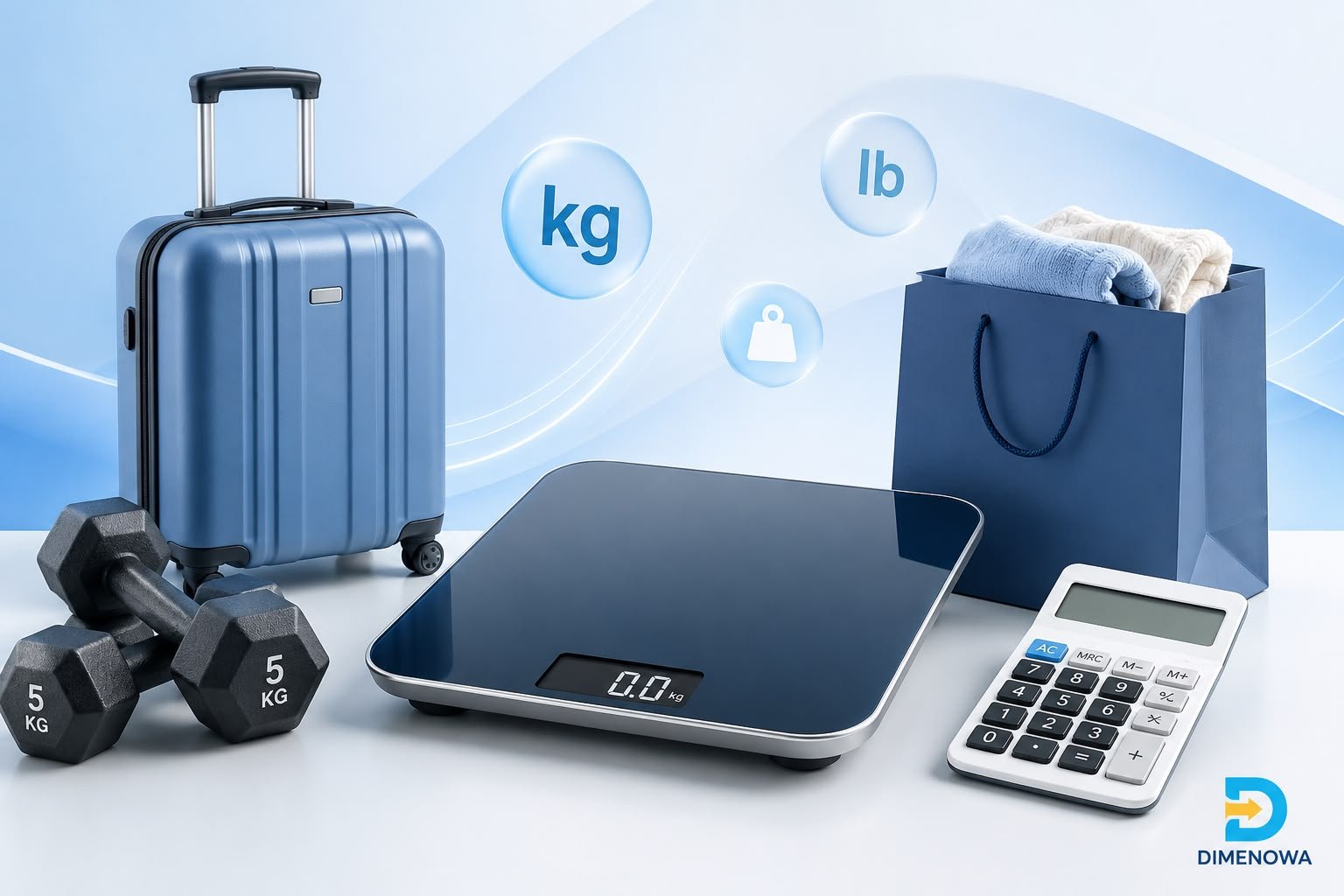
Converting pounds to kilogram is one of the most common unit conversions used worldwide. Whether you’re checking body weight, shipping a package, tracking fitness goals, or following international measurement standards, understanding how to convert pounds (lbs) to kilograms (kg) is essential. This guide explains the conversion formula, provides practical examples, and includes a handy conversion chart for everyday use.
Pounds to Kilogram Converter
Enter the weight in pounds to instantly calculate the equivalent value in kilograms.
Example Values:
- 1 lb to kg
- 5 lbs to kg
- 10 lbs to kg
- 50 lbs to kg
- 100 lbs to kg
What Is a Pound?
A pound (lb) is a unit of mass commonly used in the United States and a few other countries. It is part of the Imperial and US Customary measurement systems and is widely used to measure:
- Body weight
- Food products
- Shipping packages
- Sports equipment
- Household items
One international pound is officially defined as exactly 0.45359237 kilograms.
What Is a Kilogram?
A kilogram (kg) is the base unit of mass in the International System of Units (SI). It is the standard measurement used in most countries for weighing people, groceries, luggage, and industrial products.
Learn how to convert millimetres into centimetres with an easy formula and conversion chart.
Kilograms are commonly used in:
- Healthcare
- Fitness
- Science
- Engineering
- International trade
- Education
Pounds to Kilogram Formula
To convert pounds into kilograms, use the following formula:
Kilograms = Pounds × 0.45359237
For quick calculations, many people round the conversion factor to 0.454.
Example Conversion
- 10 pounds × 0.45359237 = 4.54 kilograms
- 25 pounds × 0.45359237 = 11.34 kilograms
- 100 pounds × 0.45359237 = 45.36 kilograms
Pounds to Kilogram Conversion Chart
| Pounds (lb) | Kilograms (kg) |
|---|---|
| 1 | 0.45 |
| 2 | 0.91 |
| 5 | 2.27 |
| 10 | 4.54 |
| 20 | 9.07 |
| 50 | 22.68 |
| 75 | 34.02 |
| 100 | 45.36 |
| 150 | 68.04 |
| 200 | 90.72 |
Where Is This Conversion Used?
Converting pounds to kilograms is useful in many everyday situations.
- Monitoring body weight
- Fitness and gym tracking
- Medical records
- Airline baggage limits
- International shipping
- Grocery and food packaging
- Academic and scientific calculations
Why Convert Pounds to Kilograms?
Many countries use kilograms as the standard unit of weight, while others still use pounds. Knowing how to convert between these units helps avoid confusion when traveling, shopping internationally, reading product labels, or following fitness and health programs.
How to Convert Pounds to Kilograms
Converting pounds to kilograms is simple once you know the conversion factor. Multiply the value in pounds by 0.45359237 to get the equivalent weight in kilograms.
Learn how to convert inches into centimeters, millimeters, and other common measurement units.
For quick mental calculations, you can also multiply by 0.454, although the exact factor provides more accurate results.
Common Pounds to Kilogram Conversions
| Pounds (lb) | Kilograms (kg) |
|---|---|
| 3 lb | 1.36 kg |
| 8 lb | 3.63 kg |
| 15 lb | 6.80 kg |
| 25 lb | 11.34 kg |
| 30 lb | 13.61 kg |
| 40 lb | 18.14 kg |
| 60 lb | 27.22 kg |
| 80 lb | 36.29 kg |
| 120 lb | 54.43 kg |
| 250 lb | 113.40 kg |
Practical Examples
Here are a few everyday examples where pounds are converted into kilograms.
- A person weighing 150 lb weighs approximately 68.04 kg.
- A suitcase weighing 50 lb equals about 22.68 kg.
- A gym dumbbell weighing 25 lb is approximately 11.34 kg.
- A shipping package weighing 100 lb equals 45.36 kg.
These conversions are commonly used in travel, healthcare, sports, and international shipping.
Pounds vs Kilograms
| Pounds (lb) | Kilograms (kg) |
|---|---|
| Used mainly in the United States | Used in most countries worldwide |
| Imperial and US Customary System | International System of Units (SI) |
| Common for body weight and packages | Standard for science, medicine, and trade |
| Larger numerical values | Smaller numerical values for the same weight |
Understanding both units makes it easier to interpret product labels, travel regulations, and health records.
Just as pounds and kilograms are different weight units, kilometers and miles are commonly used for distance conversion in our Kilometer to Mile guide.”
Tips for Accurate Conversion
- Always use the exact conversion factor for precise calculations.
- Round values only when approximate results are acceptable.
- Use kilograms for scientific and medical measurements.
- Double-check decimal places when converting large weights.
- Verify airline baggage limits in kilograms before traveling internationally.
Common Conversion Mistakes
People often make these errors while converting pounds to kilograms:
- Using an incorrect conversion factor.
- Confusing pounds with kilograms.
- Rounding too early during calculations.
- Forgetting to include decimal values.
- Mixing Imperial and Metric units in the same calculation.
Avoiding these mistakes helps improve accuracy in everyday and professional situations.
Conclusion
A Pounds to Kilogram converter is a valuable tool for quickly converting weight between Imperial and Metric units. Whether you’re calculating body weight, checking luggage limits, tracking fitness progress, or preparing shipping documents, understanding this conversion saves time and improves accuracy. Keeping the simple conversion formula in mind makes everyday calculations much easier. National Institute of Standards and Technology (NIST) – A trusted source for the International System of Units (SI) and measurement standards.
Frequently Asked Questions
1. How many kilograms are in one pound?
One pound is exactly equal to 0.45359237 kilograms.
2. What is the formula to convert pounds to kilograms?
Multiply the number of pounds by 0.45359237.
3. How many kilograms is 100 pounds?
100 pounds equals 45.36 kilograms.
4. Is kilograms heavier than pounds?
A kilogram is a larger unit of mass than a pound. One kilogram equals approximately 2.20462 pounds.
5. Why do most countries use kilograms?
Kilograms are part of the International System of Units (SI), which is the global standard for measurement.
6. Can I use this conversion for body weight?
Yes. Pounds-to-kilograms conversion is commonly used for body weight, fitness tracking, and medical records.
7. Is this conversion accurate for shipping?
Yes. The official conversion factor is used worldwide for shipping and logistics.
8. Where is the pound still commonly used?
The United States primarily uses pounds for body weight, groceries, and many commercial measurements.